Future scenarios

The future is not one destination.

Participants used scenarios as tools for analysis, imagination and honest discussion. Each path asks a different question about responsibility, action and consequence.

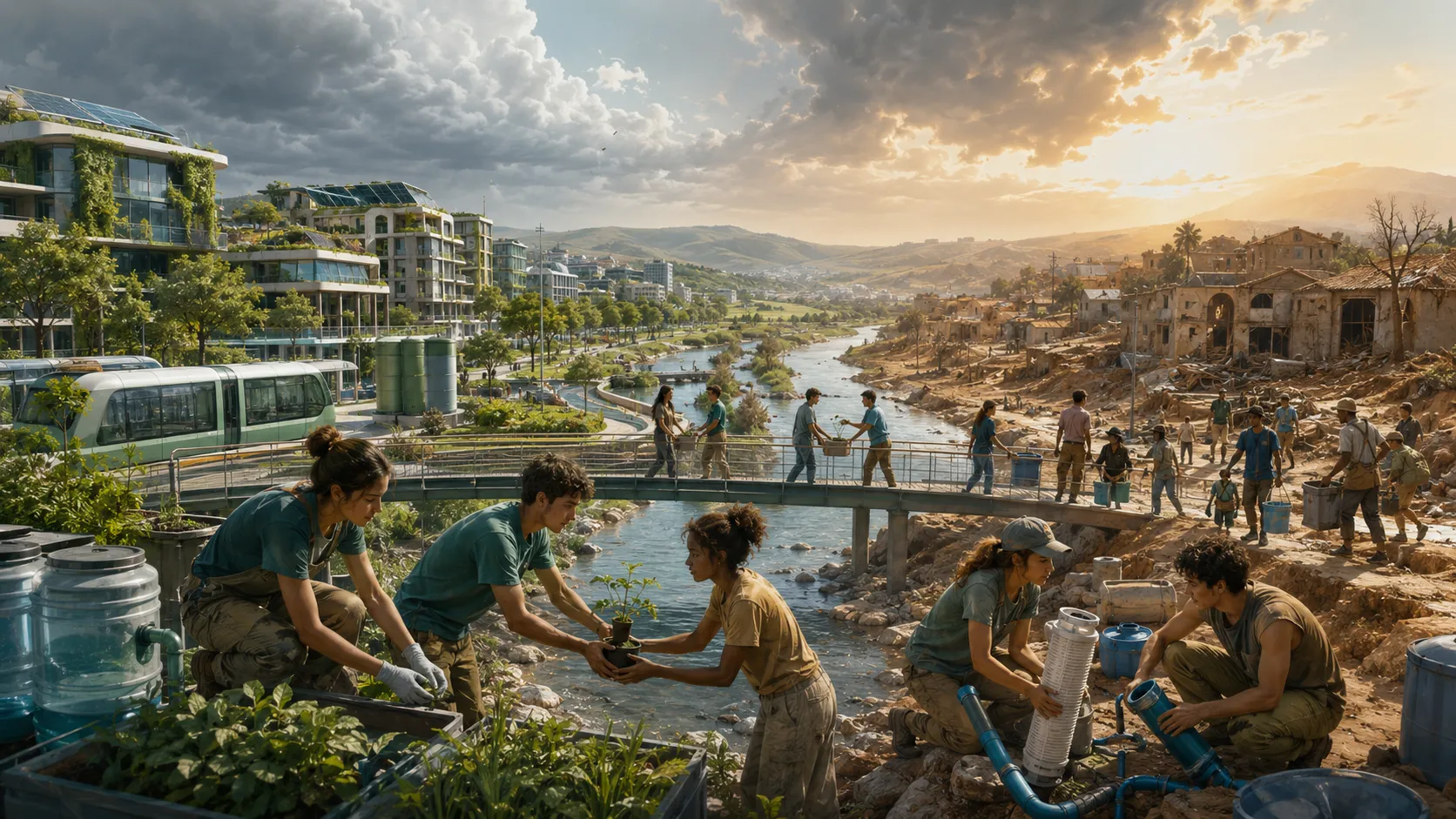
01 · Regeneration

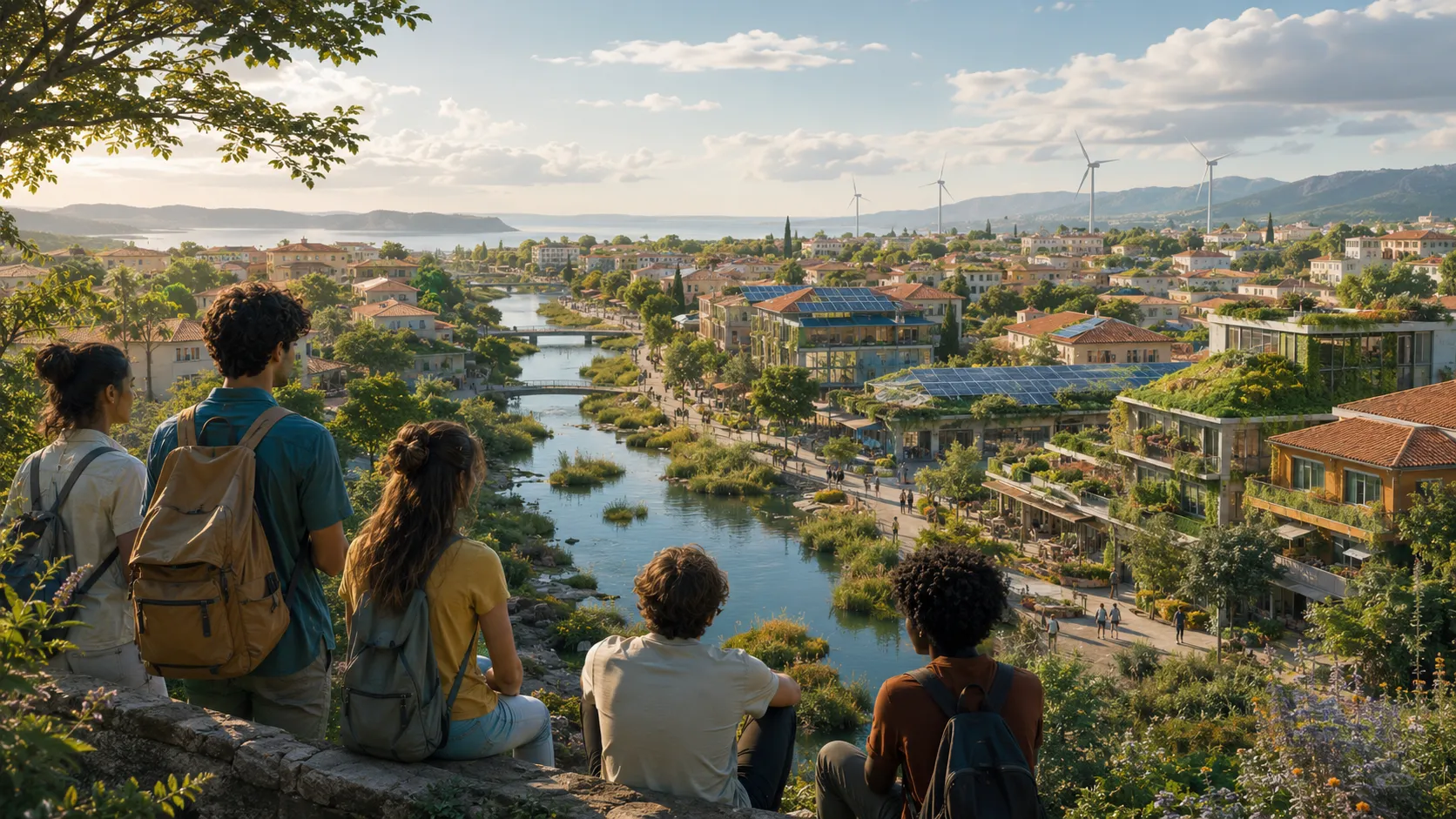
The green transition

Communities act in time: clean energy, protected ecosystems and fairer ways of living become the new normal.

02 · Partial progress

The wrong turns

Some measures help, but poor priorities and short-term thinking leave major social and environmental problems unresolved.

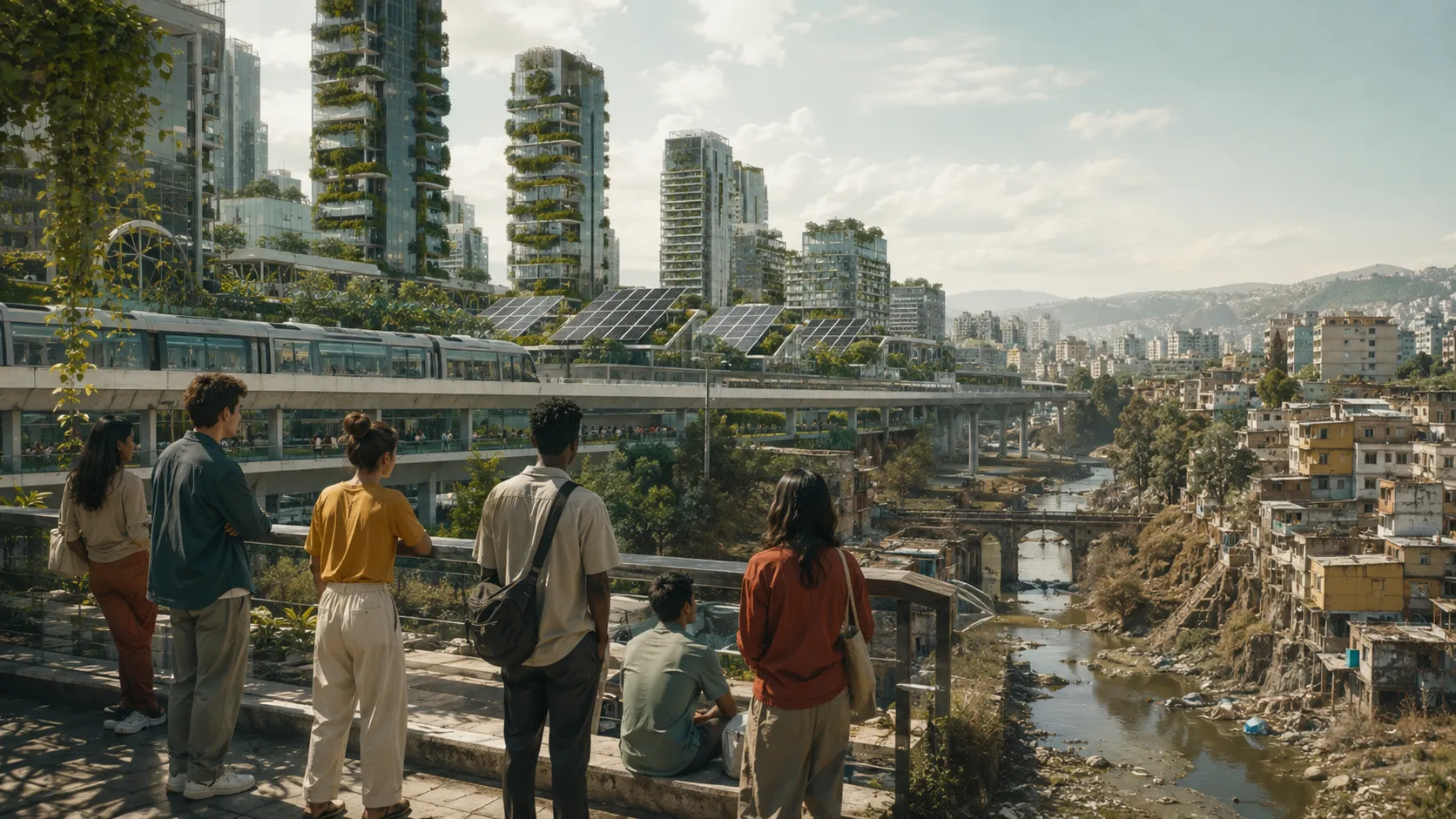
03 · Uneven action

A divided response

Some regions move forward while others carry the heaviest costs of climate change, scarcity and inequality.

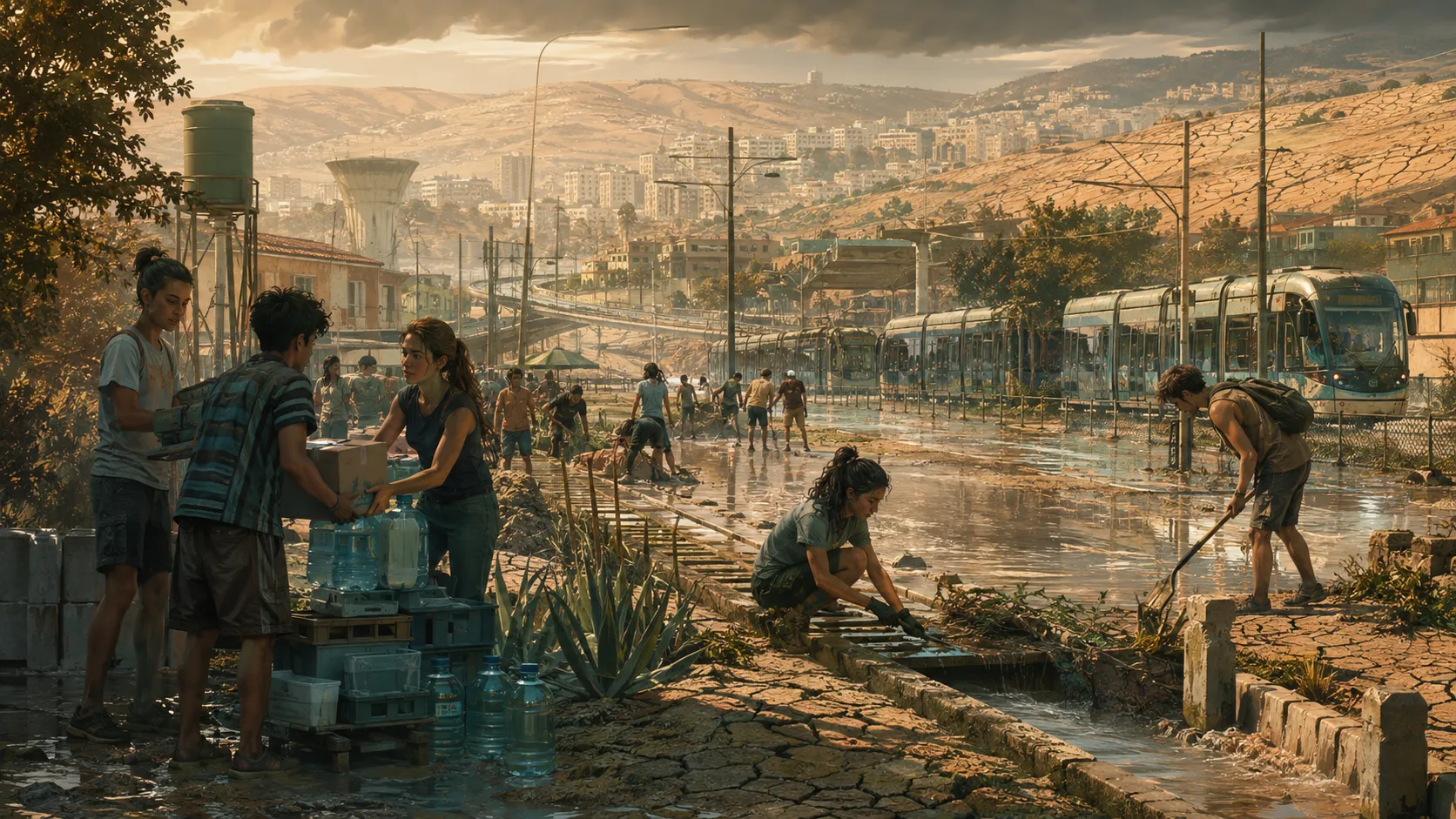
04 · Inaction

The cost of waiting

Ecological shocks, pressure on food and water, migration and conflict expose the price of doing too little, too late.

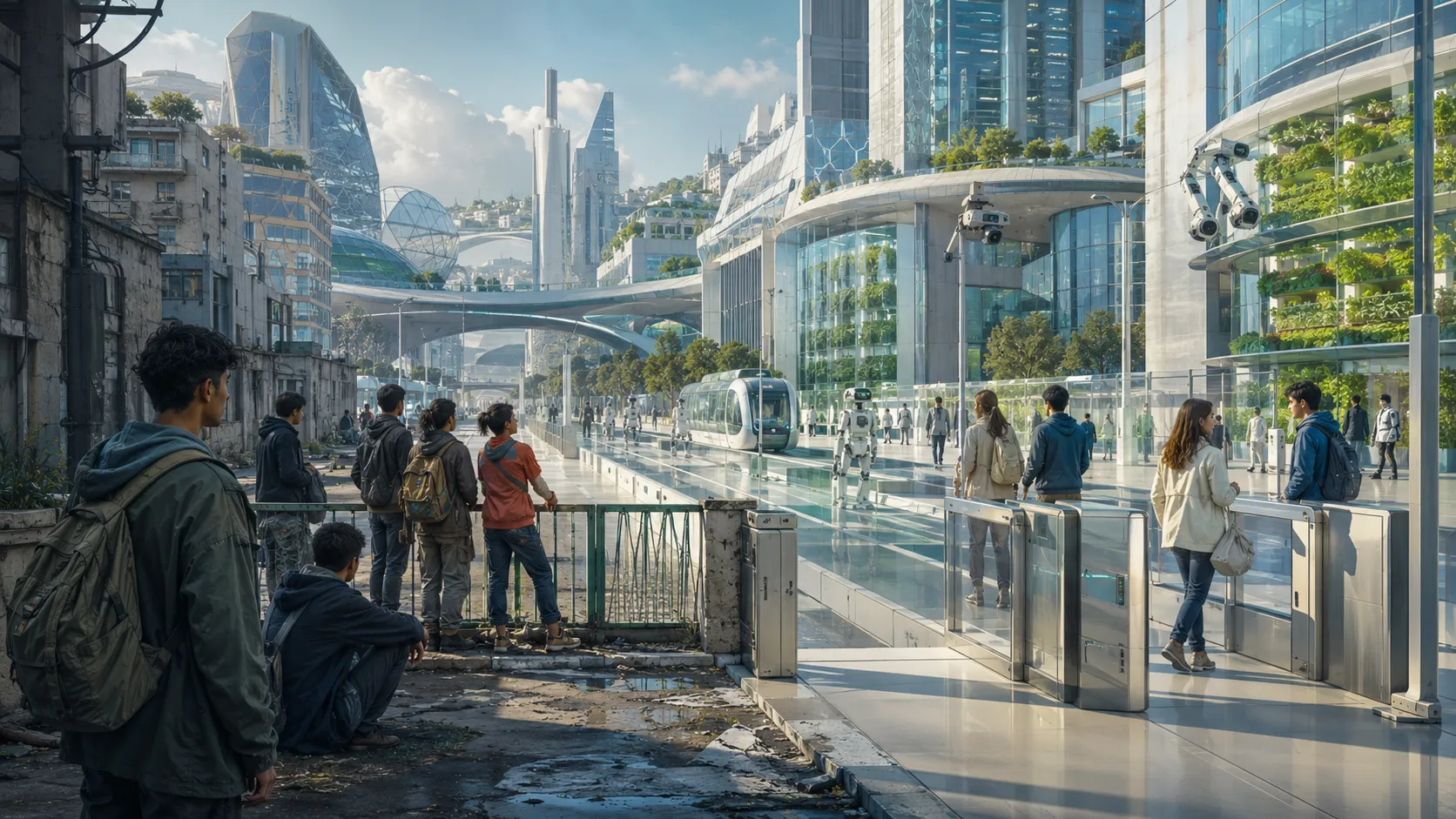
05 · Innovation

A high-tech future

Technology reduces environmental pressure, but lasting progress still depends on social change, access and justice.

Why scenarios?

A scenario is not a prediction. It is a structured story that connects present signals, decisions and possible consequences. Comparing several futures helps a group notice assumptions, test priorities and discuss what should happen next.

Questions carried forward

  1. Who benefits from each future—and who carries the cost?
  2. Which decisions can be made locally, and which need wider cooperation?
  3. What role should technology play alongside social and cultural change?
  4. Which action taken today could meaningfully change the path?